Column · @friendly-wellness
Proven Strategies to Prevent Psoriasis Flare-Ups and Manage Symptoms
Living with psoriasis can feel like you are constantly negotiating with your own skin. One week you might be mostly comfortable, the next week you are waking up to itching, burning, and plaques that seem to arrive overnight. What helps, more than any single product, is a set of flare-up prevention strategies you can actually stick with, paired with practical symptom management when things do go sideways.
Spot Your Personal Triggers Before They Announce Themselves
The frustrating part about triggers is that psoriasis does not react to just one thing. It is usually a chain: stress, skin irritation, weather changes, infections, sleep loss, sometimes even friction from everyday life. The goal is not to blame yourself for what happens, it is to notice patterns early enough to intervene.
A simple approach that works for many people is tracking “cause and effect” for a few weeks during stable periods. Not forever, just enough to see what repeatedly shows up right before flare-ups. You can keep it lightweight: notes in your phone, date, what changed, and what your skin did the next few days. If you do not have the energy, even a quick rating helps, like “itch level 0 to 10” plus a one sentence description.
A few triggers to watch closely, especially when you are trying preventing psoriasis flare-ups:
- Skin injuries, even minor ones, like shaving rash, scratch marks, or friction from tight clothing
- Respiratory infections, including strep or frequent colds, which can shake the immune system
- Emotional stress and burnout, often showing up as worsening itch before plaques become more obvious
- Weather shifts, particularly cold, dry air, and sudden changes in humidity
- Alcohol and smoking patterns that seem to correlate with rough patches of symptoms
One lived-in detail that matters: some people react within 24 to 72 hours, while others notice changes a week later. That means the “right answer” is not always obvious if you only look at the day something happened. I often suggest thinking in windows, not pinpoint moments.
A note on friction and “small” irritation
It is easy to dismiss irritation that feels minor. A new detergent, a seam rubbing the same spot every morning, a stiff towel, even a mask that touches the same area consistently. Over time, those repeated irritations can become the spark. Flare-up prevention tips that focus on skin protection tend to pay off, even when your big triggers seem unrelated.
Build a Flare-Up Prevention Routine You Can Maintain
Prevention is not a single checklist item. It is a rhythm. When people feel overwhelmed, the routine gets skipped, then symptoms flare, and the cycle repeats. A better approach is to pick a few core habits that reduce risk and keep your skin calmer.
The most reliable routine usually includes four pillars: moisturize consistently, protect skin from irritation, manage itch early, and be realistic about what to expect during changes.
Moisturize like you mean it, but choose the right moments
Moisturizer is not just “extra.” It is a skin barrier support tool. The timing matters. Apply after bathing while skin is still slightly damp, and again drug-free psoriasis treatment when your skin starts to feel tight or hot. If you only moisturize at night, you might still wake up with dry, reactive patches. If you moisturize too often with overly fragranced products, you might trigger irritation. The sweet spot is steady, simple, fragrance-free products when possible.
Protect against triggers to avoid psoriasis flare-ups
Your skin can be reactive, so small protective choices can reduce flare frequency. Think about daily friction and heat exposure. If your job involves gloves, you may need breathable options and a regular cleaning routine. If you shave, consider gentler techniques or switching to alternatives that reduce scraping.
Here is where judgments come in. Not every “avoid” is practical. You might not be able to change stress levels dramatically, but you can often reduce the stress that turns into sleepless nights. You might not live somewhere stable year-round, but you can plan for winter dryness.
Manage itch early, not after it spirals
Itch is both a symptom and a feedback loop. Scratching increases inflammation, which increases itch. When itch starts to rise, respond quickly. Cool compresses can help some people, and emollients applied with care can reduce the urge to scratch. If you use a prescribed topical, applying it sooner in a flare can help you avoid the situation where symptoms fully “take off.”
Make Symptom Management Predictable During a Flare
Even with careful prevention, flare-ups still happen. What makes the difference is how fast you recognize the shift and how clearly you respond.
A flare often starts with subtle signs: thicker feeling skin, a new “burning” sensation, raised bumps, or a shift in itch patterns. If you wait until plaques are fully established, it can take longer to regain control.
Use a “flare plan” for your mind and your skin
Many people manage symptoms better when they have a pre-decided plan, especially on days they feel exhausted. Your flare plan can be as simple as: what to do first, what not to do, and when to call your clinician.
When symptoms flare, these practical steps can help with psoriasis symptom management:
- Keep bathing brief and lukewarm, then moisturize right away
- Use gentle, non-scratching care around affected areas, including clean bandages if needed
- Apply prescribed treatments consistently, focusing on the affected patches rather than overextending to unaffected skin
- Reduce friction immediately, like switching to softer fabrics and adjusting grooming habits
- Contact your clinician if symptoms escalate quickly or you develop signs of infection
There is a trade-off to note. During a flare, it is tempting to add multiple new products “just to see.” In reality, introducing too many variables can complicate your progress. If something feels irritating, stop it and return to what you already know your skin tolerates.
When flare-ups follow infections
If you have a flare that follows a sore throat or respiratory illness, it is worth paying attention. Some people feel skin worsening alongside the infection, others notice it after. Either way, treating the infection promptly and continuing your psoriasis plan often matters. If you are unsure whether symptoms are infection-related, a clinician can help you sort it out.
Fine-Tune Your Triggers Strategy for Real Life
Triggers rarely fit neatly into a spreadsheet. They show up through routine, habits, schedules, and environments. The trick is building enough flexibility to adjust without losing momentum.
Stress and sleep, the connection people underestimate
Stress is not just emotional. It can change sleep patterns, appetite, immune responses, and how your skin feels when it starts to itch. One of the most practical steps for flare-up prevention is protecting sleep quality, even if you cannot eliminate stress entirely. For example, if nights with less sleep consistently precede flares, you do not need a perfect routine. You need a sustainable one, like a consistent wind-down time, fewer late nights with intense screens, and treating itch early so you are not trying to “sleep through” rising symptoms.
Weather and skin care adjustments
Cold, dry air can make psoriasis feel louder. Humidity changes can also affect how your skin behaves. Instead of thinking you must “tough it out,” make small seasonal adjustments: richer moisturizers for winter, more frequent moisturizing when air is dry, and extra attention to areas that crack or rub, like elbows, knees, and lower legs.
Avoiding triggers to avoid psoriasis doesn’t mean living in a bubble
It is easy to become overly strict, then feel resentful when flare-ups still happen. A more balanced strategy focuses on reducing the most predictable irritants while maintaining quality of life. For some people, that means continuing moderate exercise but choosing clothing that reduces friction and using a moisturizer routine immediately after. For others, it means social alcohol reduction only around high-risk periods. Your plan should protect you, not punish you.
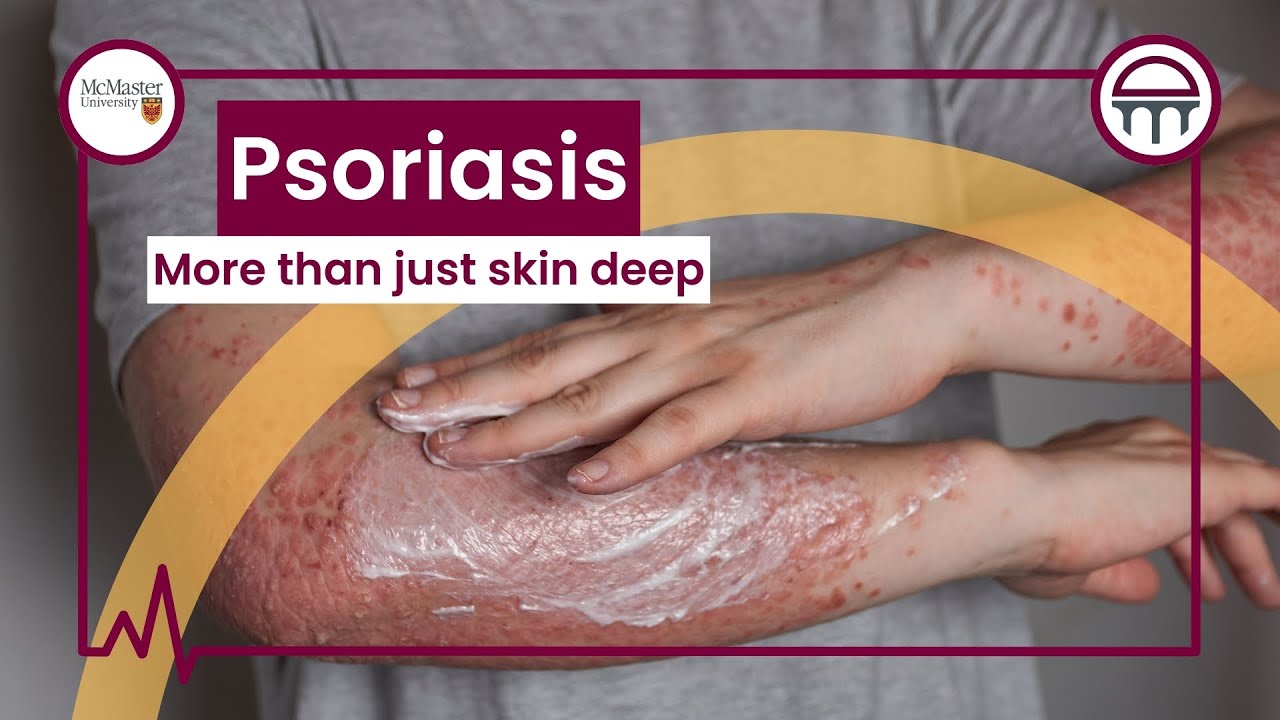
Keep Your Treatment Plan Aligned With Your Symptoms
Prevention and self-care do a lot, but they do not replace medical guidance. Psoriasis can range from manageable to disruptive, and treatment needs often change based on how widespread symptoms become. If you notice frequent flare-ups, worsening quality of life, or new areas involved, that is a good time to revisit your plan with a clinician.
When you talk with your clinician, bring concrete details: where the plaques are, how often flare-ups happen, how quickly symptoms improve or worsen, and what seems to trigger flares. This helps align treatment choices with your actual patterns. It also prevents the common frustration where you try the “most likely” solution, but your triggers and symptom patterns are telling a different story.
The most empowering thing about psoriasis relief is realizing you can influence outcomes. Preventing psoriasis flare-ups does not require perfection. It requires attention, early response, and a plan that fits your life. When you build that kind of predictability, symptoms start to feel less like surprises and more like manageable seasons.